DISCRIPTIONDETAIL

전의 청소년 문화센터 신축공사


기간 2020년 설계공모 당선, 2022년 준공

위치 세종특별자치시 전의면 읍내리 258-33, 258-7

지역/지구 도시지역

주요용도 수련시설, 제1종 근린생활시설

대지면적   ㎡

연면적 805.92㎡

건축면적 305.77㎡

건폐율 6.71 %

건폐율 10.21 %

주요구조 철근콘크리트구조

규모 지상3층

최고높이 13.8m

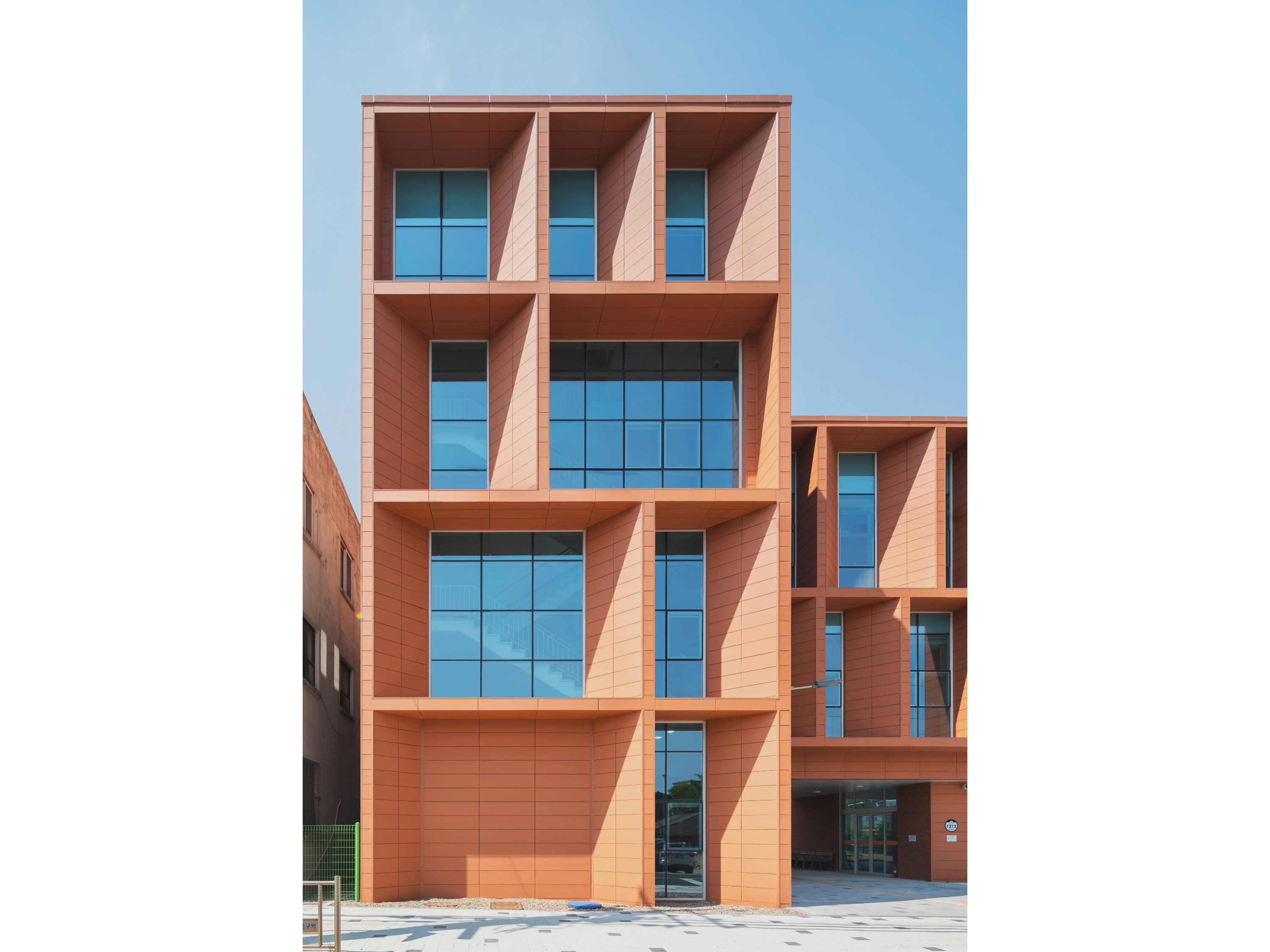
외부마감 테라코타채널, 치장벽돌쌓기

발주처 세종특별자치시

설계자 성  진  ㈜성 에 어소시에 건축사사무소

Discription

La petite forêt de Jeonui (Jeonui Youth Cultural Center)

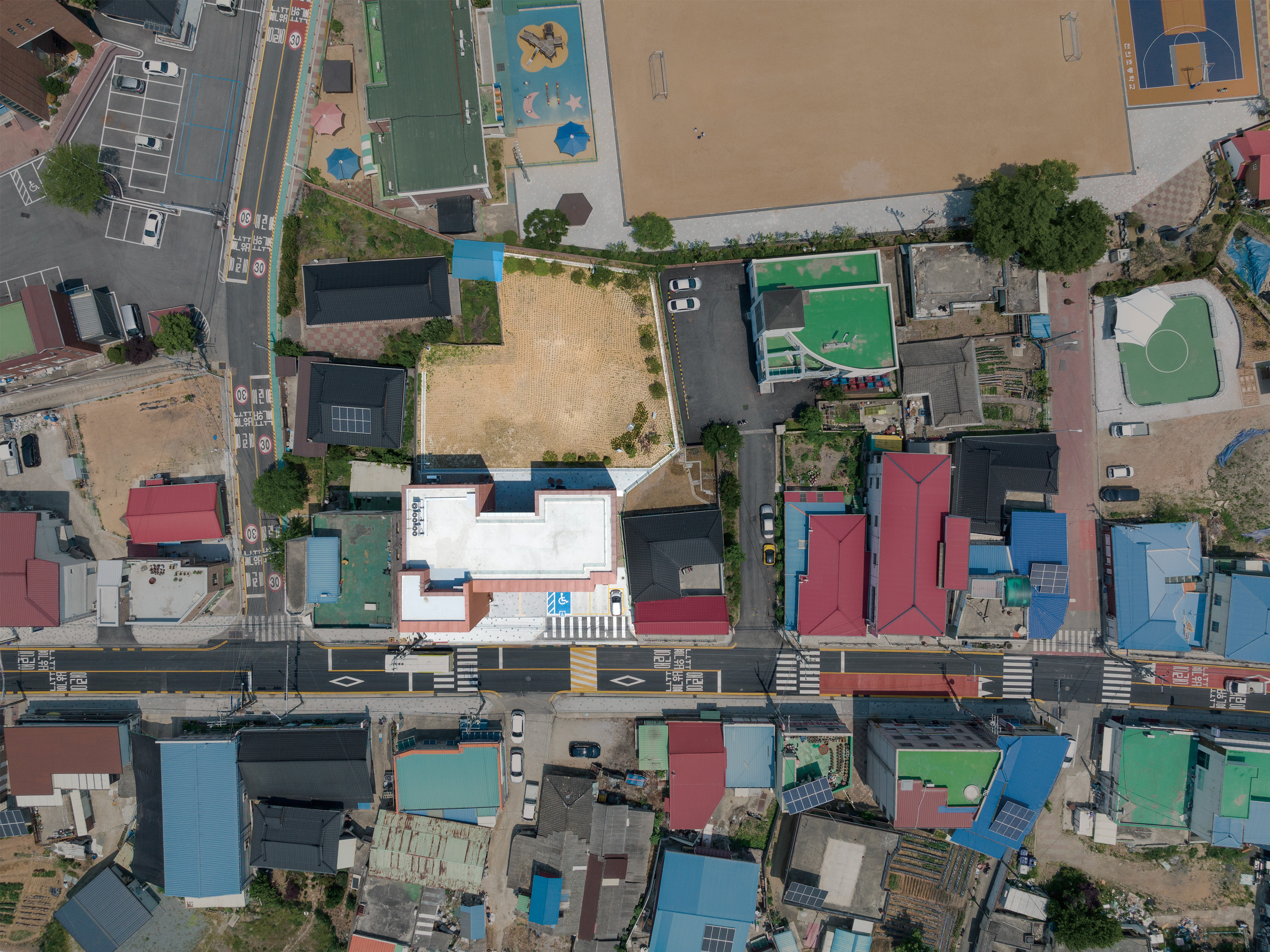
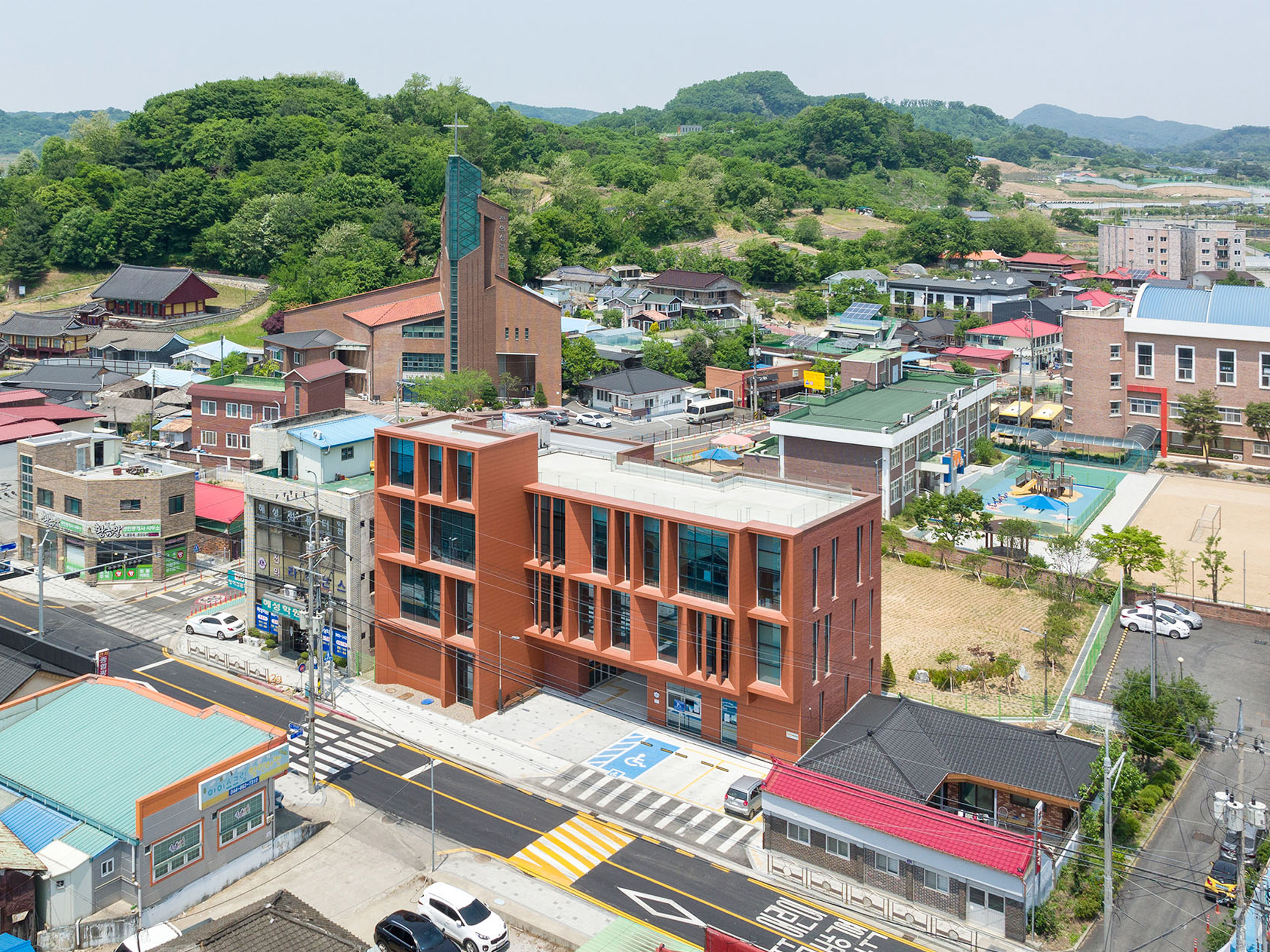
세종시 전의면 중심에 자리한 전의 청소년 문화센터는
‘작은 숲’처럼 열려 있는 도시의 쉼터이자, 사람과 시간, 빛이 머무는 문화의 장소로 설계되었습니다.
오래된 건축들과 학교, 교회, 시장이 얽힌 이 지역에서
건축은 과거의 기억을 지우지 않고, 그 위에 새로운 리듬을 쌓아 올립니다.

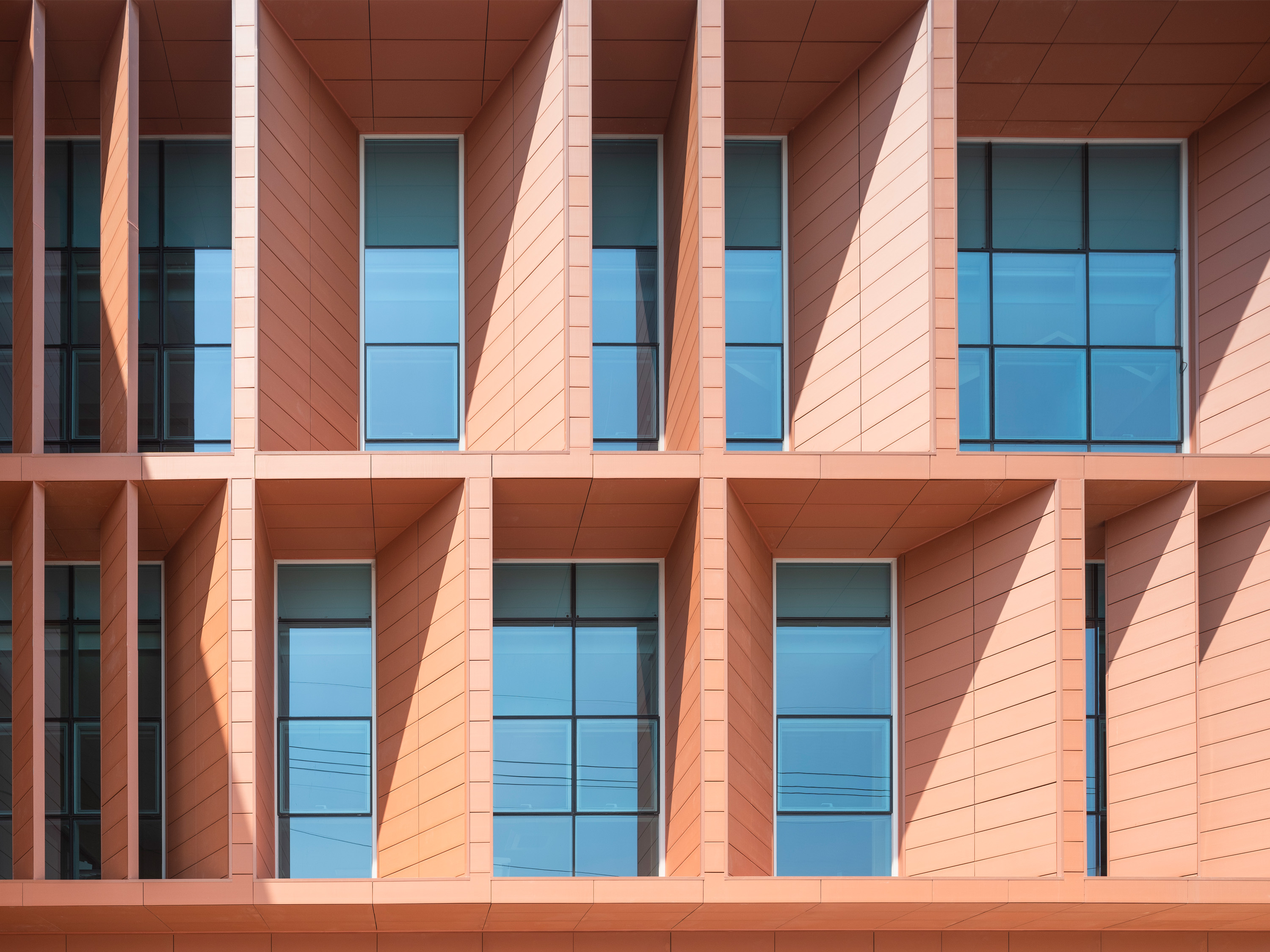
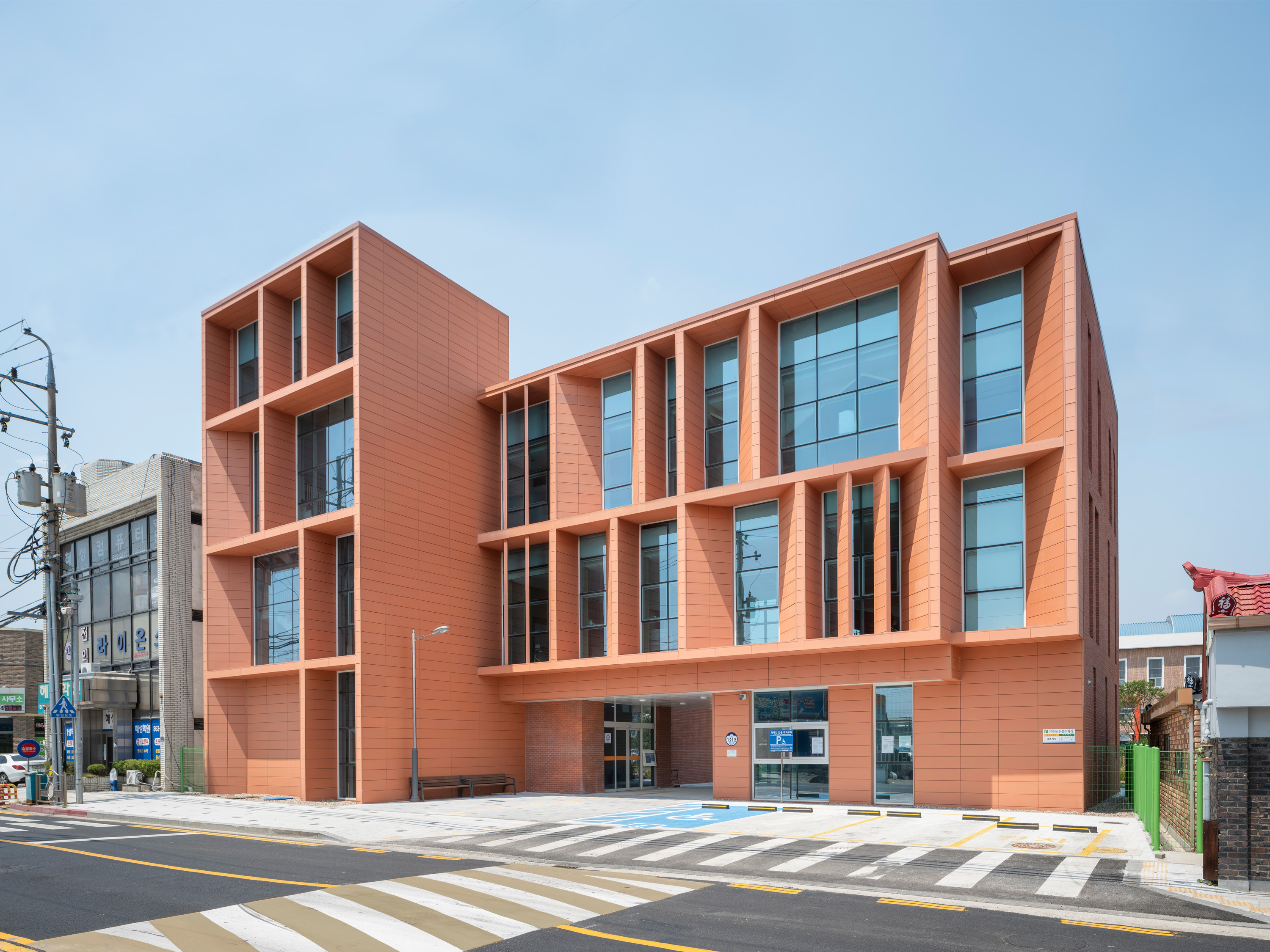
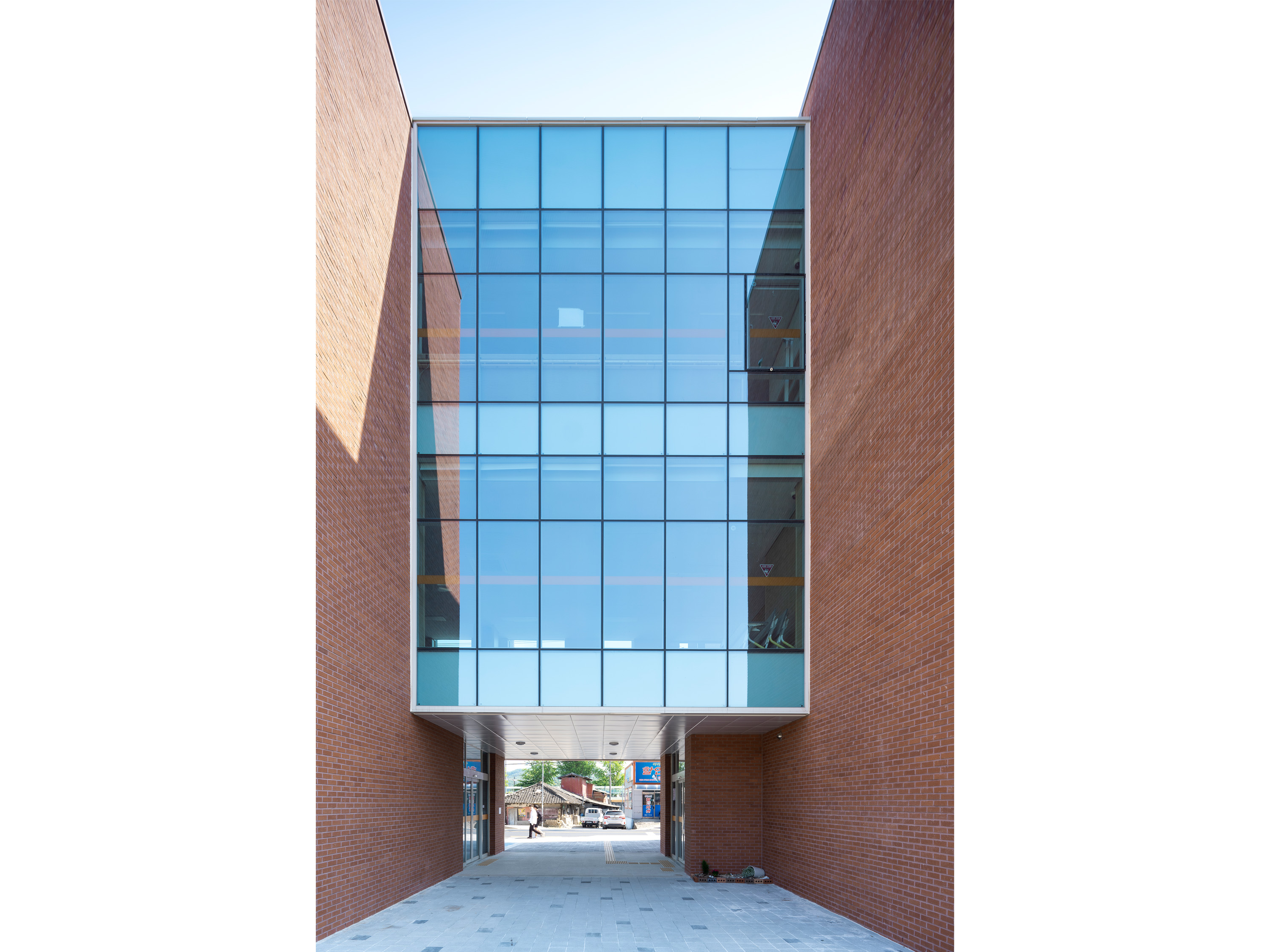
파사드는 벽돌과 테라코타, 두 물질의 대화를 통해
전의의 역사적 시간과 오늘의 활력을 연결하는 표면으로 구성되었습니다.
짙은 붉음이 담긴 벽돌은 마을의 기억을 품고,
밝은 오렌지 톤의 테라코타는 청소년의 생동감과 미래를 상징합니다.
두 재료의 조율은 과거와 현재, 무게와 가벼움이 공존하는 균형의 언어로 작동합니다.

외피의 깊이 있는 프레임과 입면의 그림자는
시간의 흐름과 빛의 각도에 따라 다른 표정을 만들어냅니다.
아침의 빛은 따뜻한 명암으로 입면을 채우고,
오후의 빛은 깊은 음영을 남기며,
건축 전체는 하루의 리듬에 따라 숨을 쉬는 듯한 도시의 풍경이 됩니다.

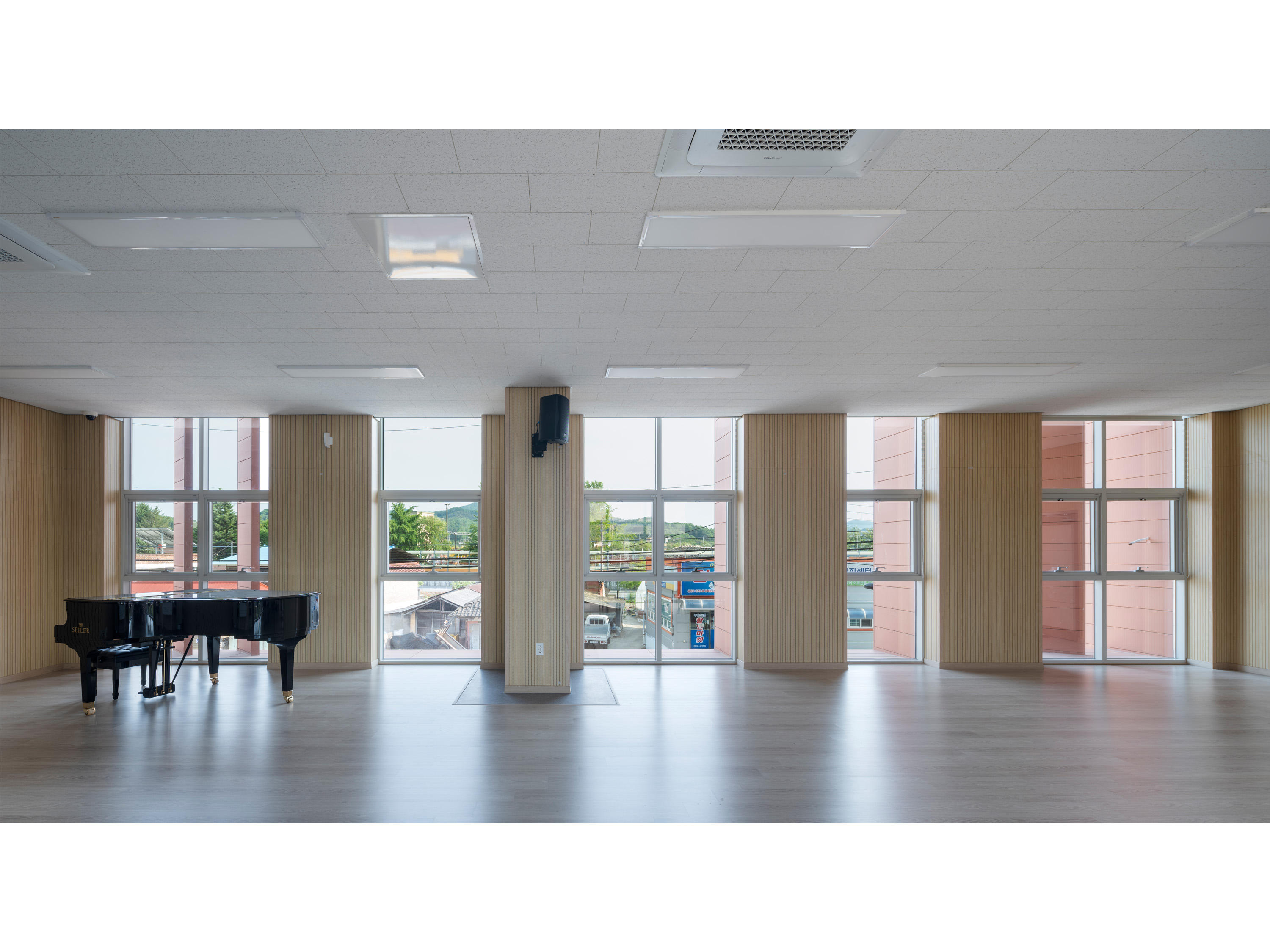
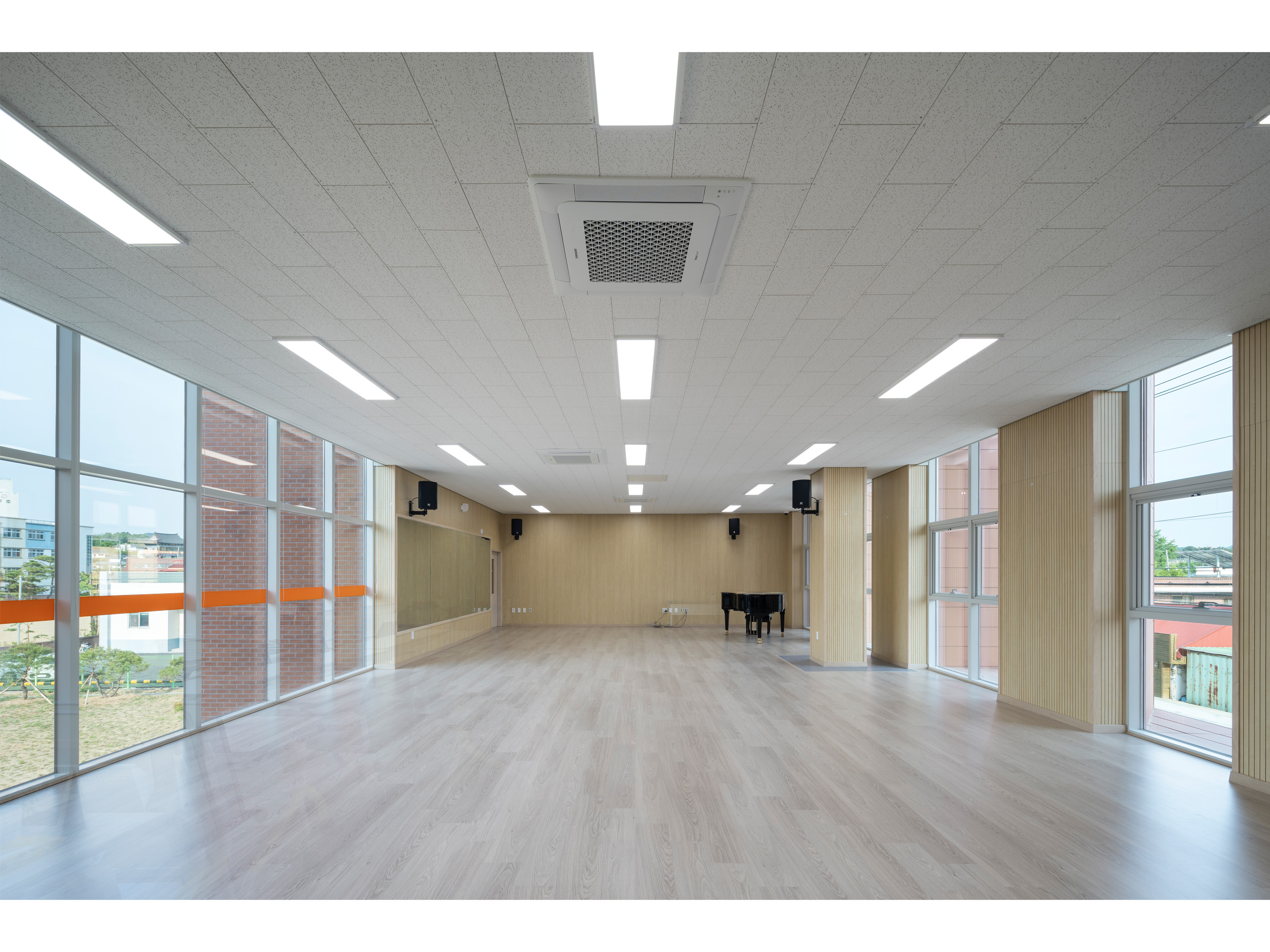
내부 공간은 단순한 기능의 합이 아니라,
사람들이 오가며 자연스럽게 마주치는 열린 구조로 계획되었습니다.
유리 벽면을 통해 들어오는 자연광은 공간의 밝기를 일정하게 유지하며,
거리와 마을, 그리고 사람의 움직임을 내부의 장면으로 끌어들입니다.

‘작은 숲’이라는 이름처럼,
이곳의 건축은 도시 속에서도 빛과 온기, 사람의 리듬이 머무는 장소로 존재합니다.
청소년에게는 배우고 표현하는 무대가 되고,
지역 주민에게는 세대가 이어지는 공공의 거실이 되며,
도시에는 다시금 숨을 고를 수 있는 여백을 제공합니다.

전의 청소년 문화센터는 단순한 시설이 아니라,
도시의 기억과 사람의 미래가 맞닿는 작은 숲입니다.

이곳에서 건축은 형태를 넘어,
빛·재료·사람이 공명하는 시간의 풍경이 됩니다.


Located in Jeonui, Sejong City,
this youth cultural center was conceived as a “small forest” within the town —
a place where people, light, and time coexist in gentle rhythm.
Amid schools, churches, and old brick houses,
the architecture does not erase the traces of the past,
but builds upon them to create a new continuity for the community.

The façade weaves together brick and terracotta,
connecting Jeonui’s historical depth with the vibrancy of its youth.
The darker red brick recalls the weight of memory,
while the lighter orange terracotta expresses movement and renewal.
Their harmony forms a dialogue between past and present, permanence and lightness.

Light interacts with the deep frames of the façade,
casting shifting shadows that change with each hour of the day.
Morning light warms the surfaces;
in the afternoon, the shadows deepen,
turning the building into a living landscape that breathes with time.

Inside, spaces are designed for encounter and connection rather than separation.
Natural light fills the rooms through expansive glazing,
drawing the village, the street, and people’s movements into the interior scene.
It is a place where the rhythm of daily life quietly unfolds —
a cultural ground open to both gathering and reflection.

Like a forest, the building offers moments of shade and openness,
warmth and transparency.
For young people, it is a stage for learning and expression;
for residents, it becomes a shared living room that nurtures intergenerational dialogue.
Within the town, it stands as a gentle pause —
a space that breathes with its people and remembers its place.

The Jeonui Youth Cultural Center is more than a facility;
it is a small forest where architecture becomes a resonance of light, material, and human presence.