DISCRIPTIONDETAIL

백야 자연 휴양림 리조트형 숙박시설 (Baekya National Forest Resort Hotel)

​​​​​​​​​​​​​​

기간 2021년 설계공모 당선, 2024년 준공

위치 음성군 금왕읍 백야리 139-1번지 일원

지역/지구 계획관리지역, 제2종지구단위계획구역

주요용도 숙박시설, 교육연구시설(회의시설)

대지면적 26,156 ㎡

연면적 981.44㎡

건축면적 1,755.59㎡

건폐율 6.71 %

건폐율 10.21 %

주요구조 철근콘크리트구조, 철골구조

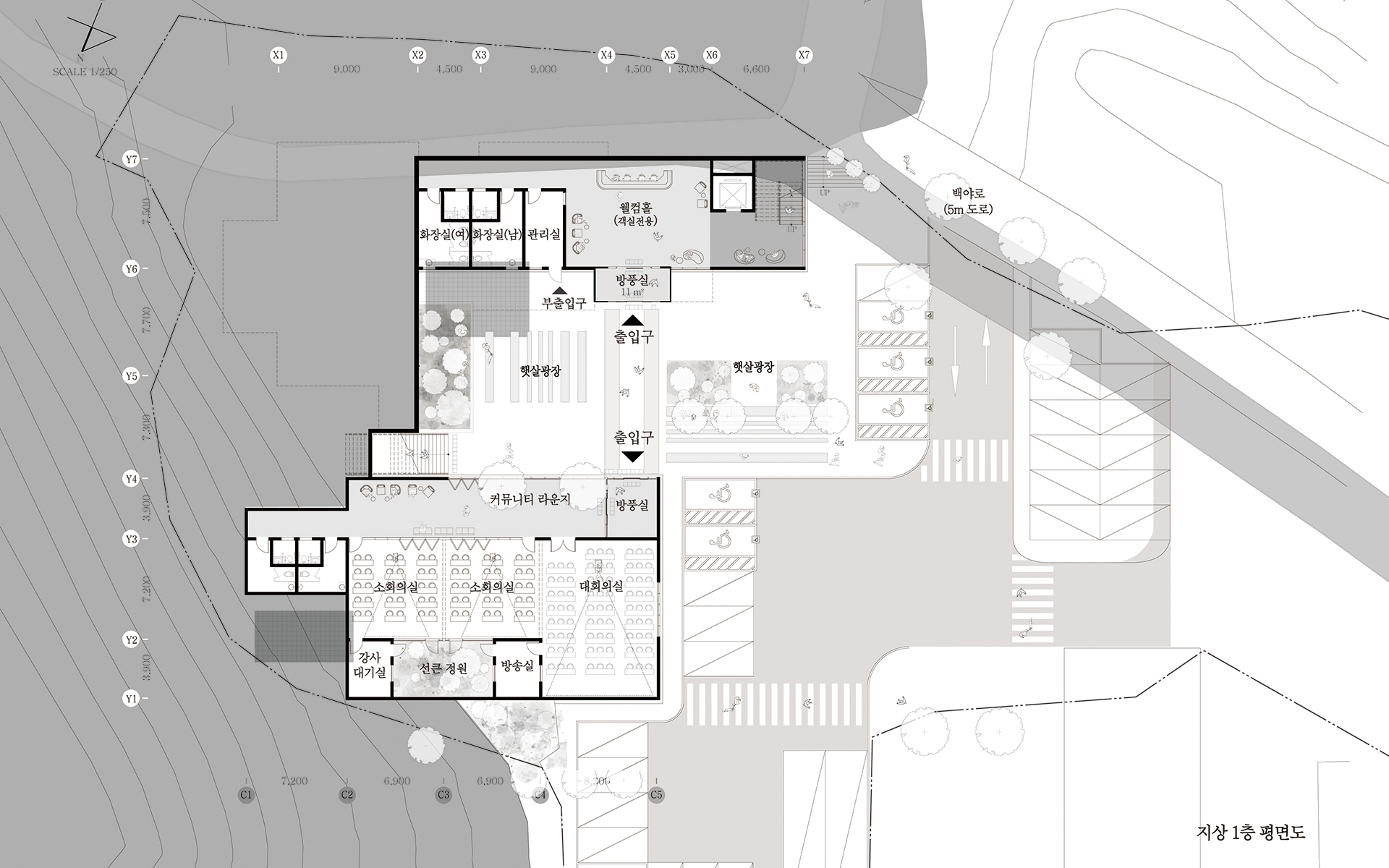
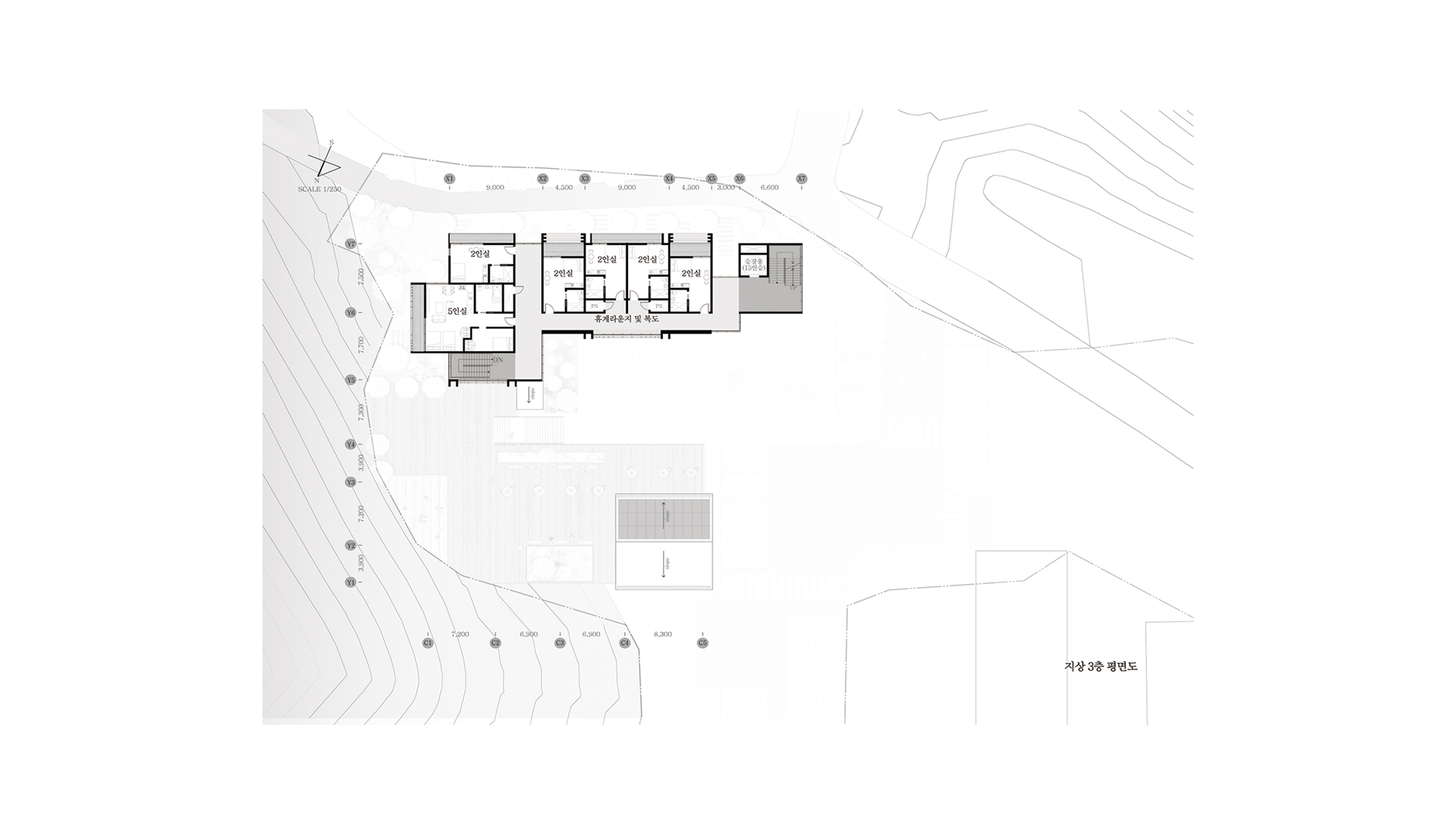
규모 L동 : 지상3층 / M동 : 지상1층

최고높이 L동: 16.20m / M동: 9.2m

외부마감 세라믹스톤,테라코타페널

발주처 충청북도 음성군

설계자 성  진  ㈜성 에 어소시에 건축사사무소

전기/기계/설비 ㈜태창전기설계사무소

디자인 감리 ㈜성 에 어소시에 건축사사무소

구조 성남구조기술사사무소
​​​​​​​​​​​​​​

Discription

백야 자연휴양림 리조트형 호텔

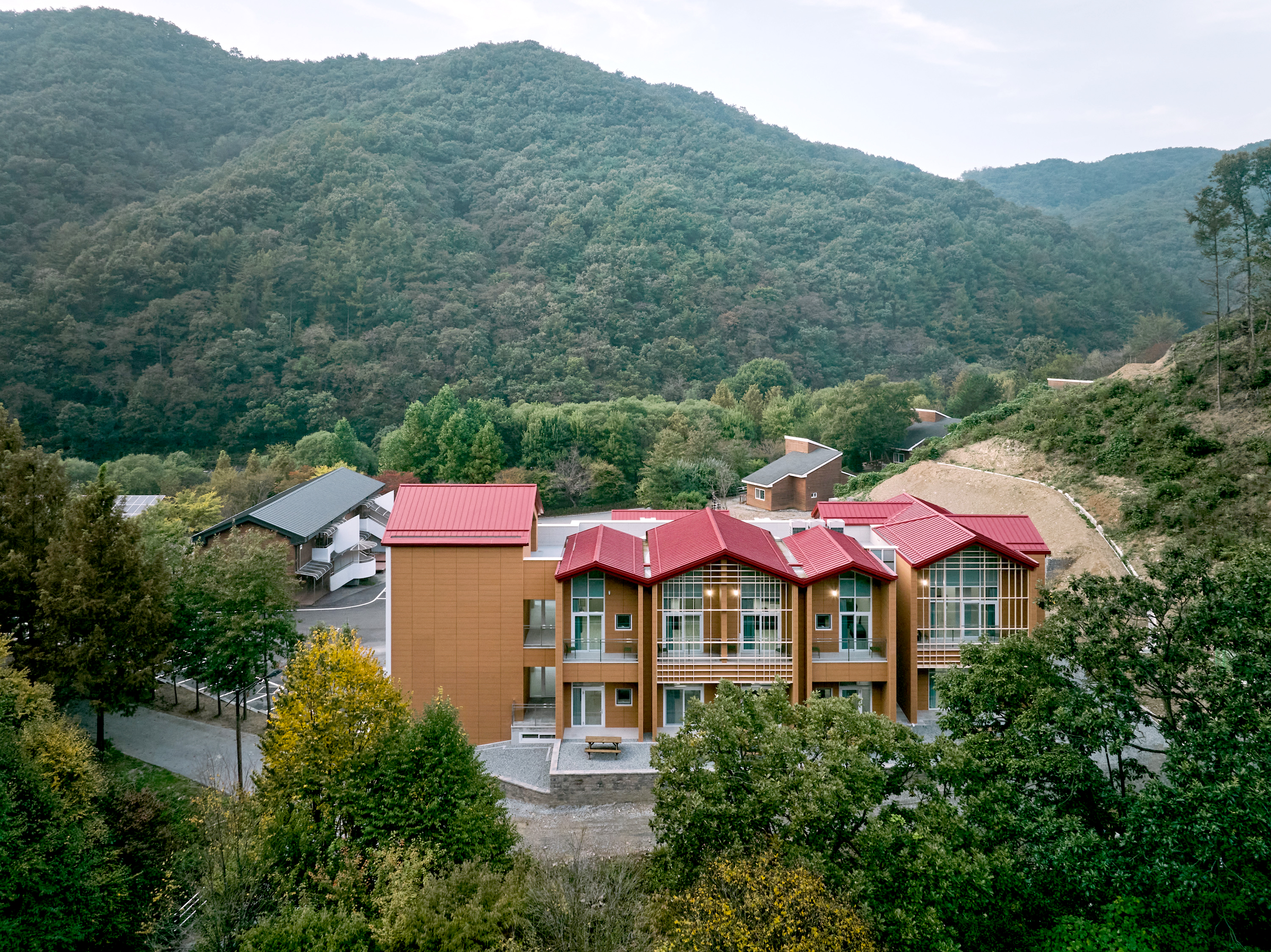
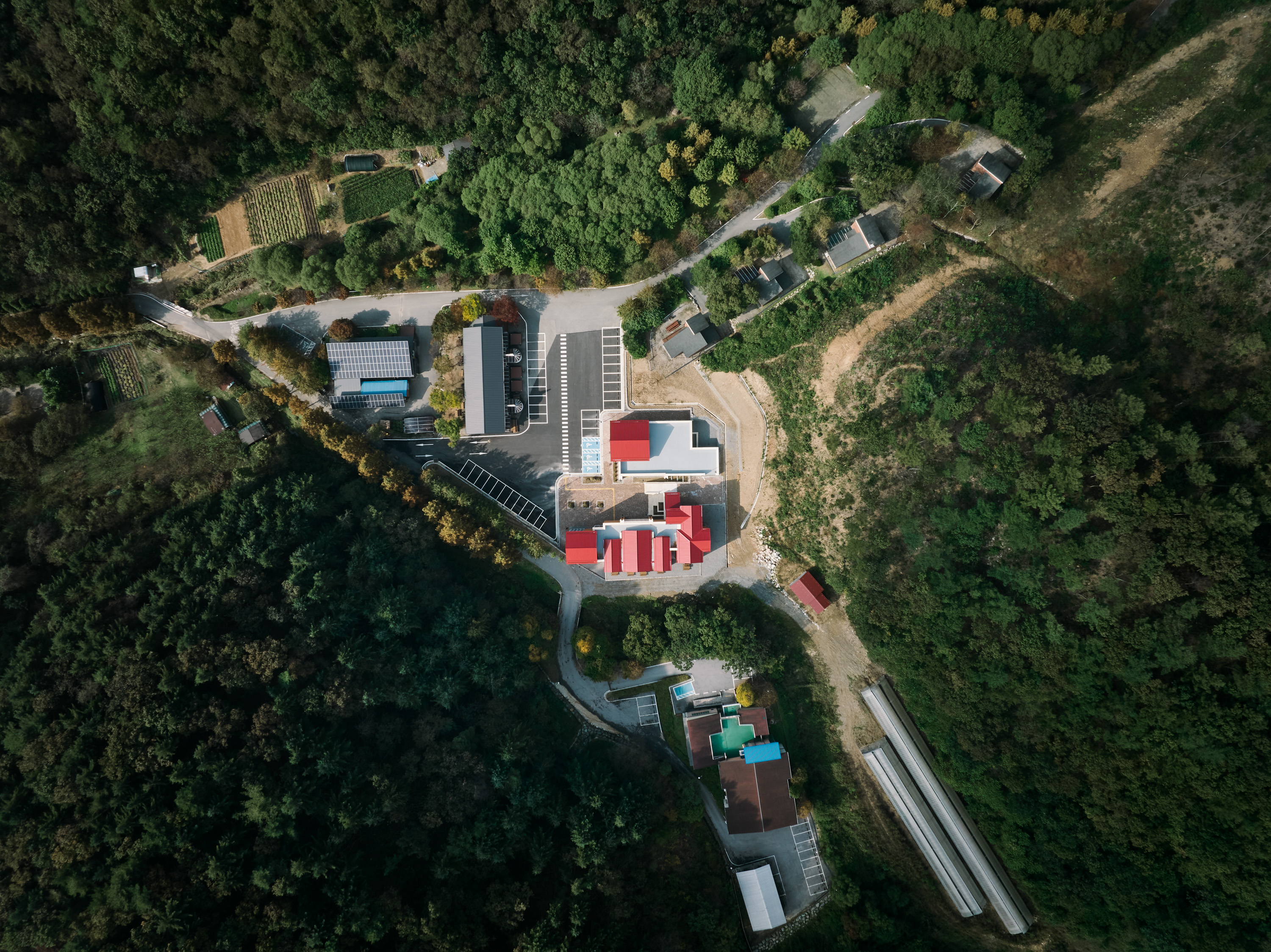
충북 음성군 백야의 산자락, 국립자연휴양림 안 숲의 경사지를 따라 들어선 리조트형 호텔입니다.
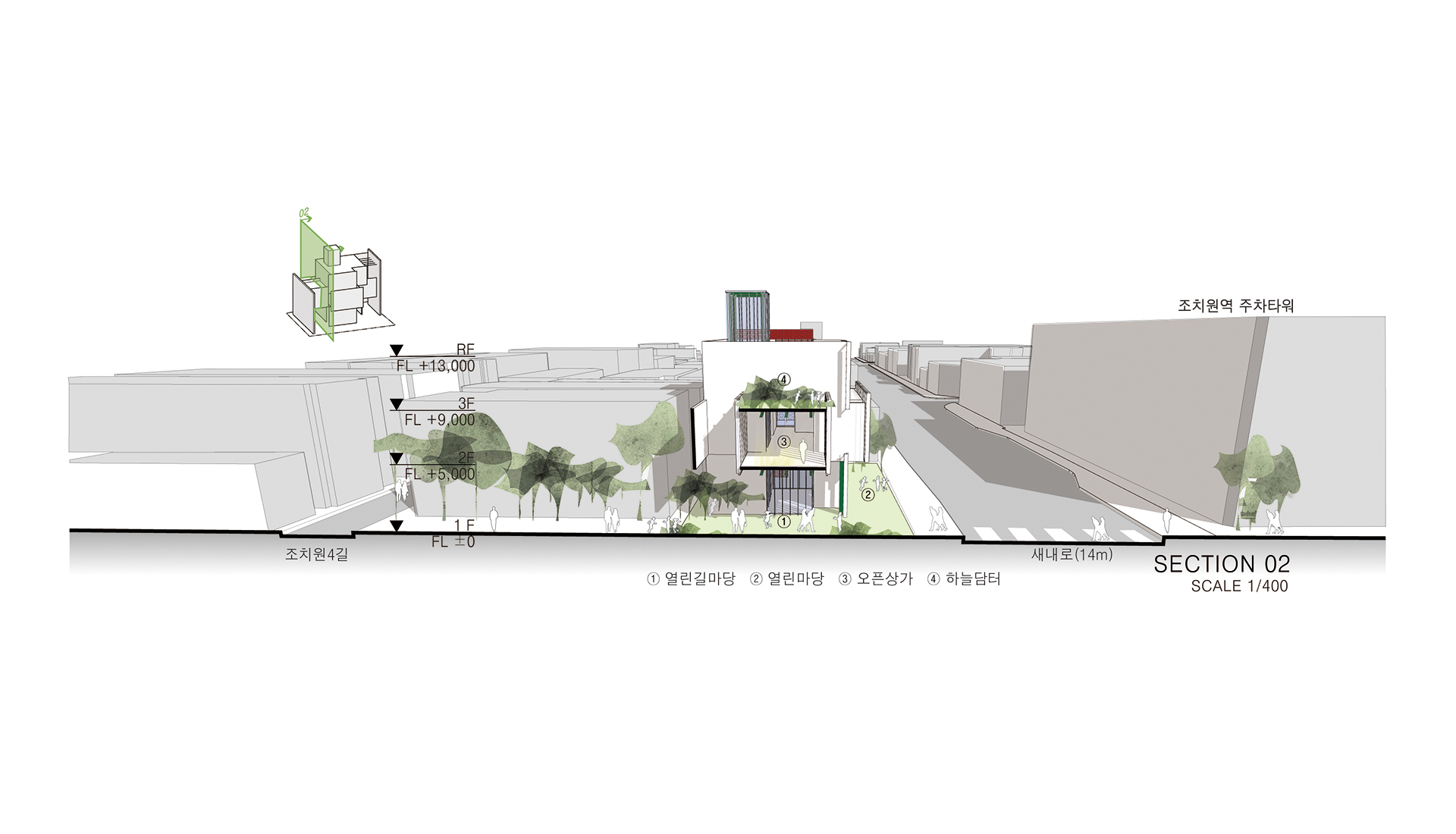
건축은 대지를 인위적으로 다듬지 않고, 지형의 기울기와 레벨 차를 구조적 질서로 전환했습니다.

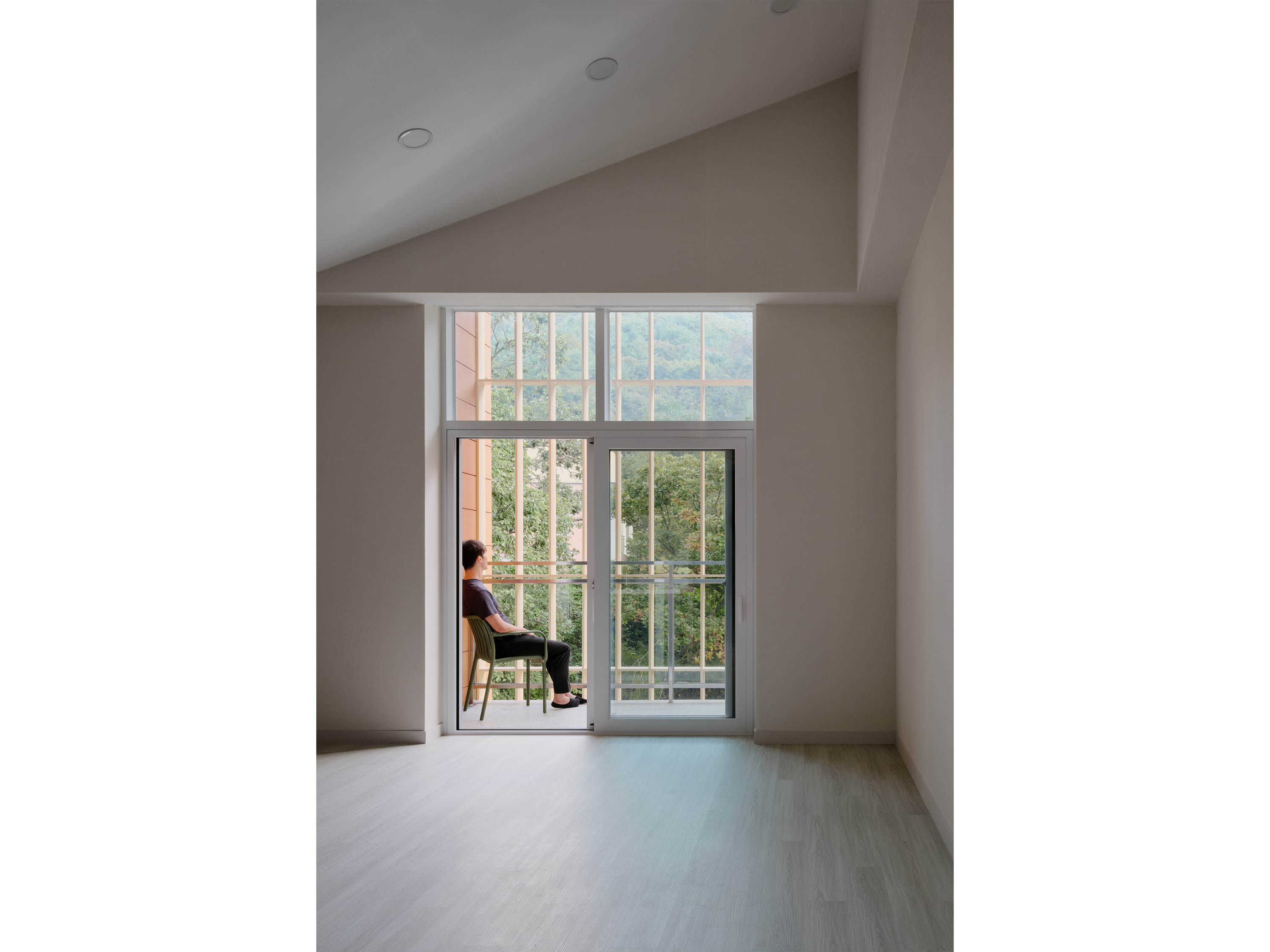
숲의 경사에 따라 배치된 휴양시설은, 숙박을 이용하는 이들이 프라이버시를 유지하면서도 숲의 자연을 온전히 느낄 수 있도록 설계되었습니다.
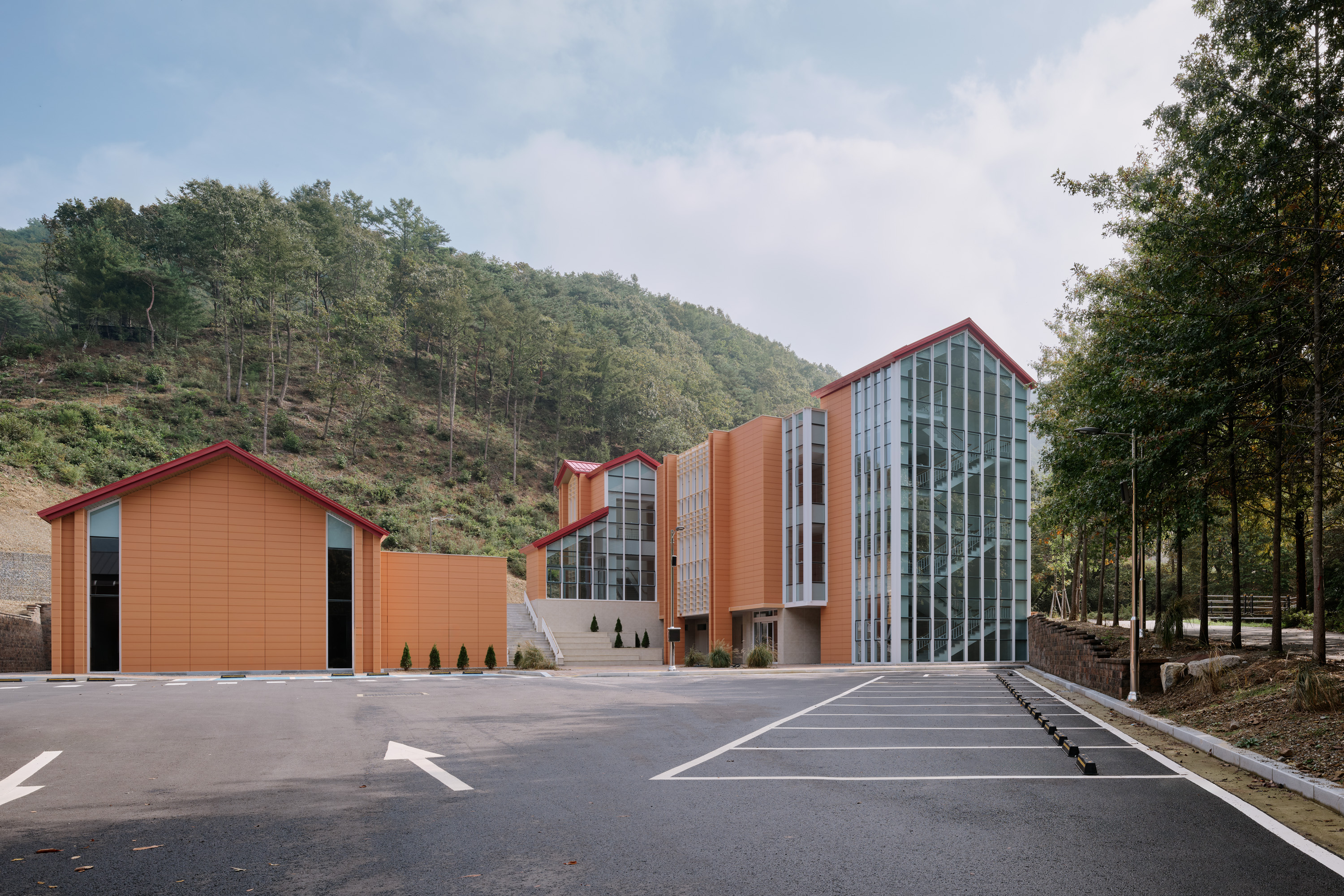
각 동은 서로 다른 높이와 방향을 가지며,
그 차이는 단순한 분절이 아니라 지형의 흐름과 빛의 방향에 반응하는 공간적 전략으로 작동합니다.

수평을 맞추기보다, 대지의 경사를 공간의 리듬으로 해석함으로써
각 실은 자연광의 방향, 바람의 흐름, 조망의 깊이에 따라 고유한 분위기를 갖습니다.
경사지라는 조건은 제약이 아닌, 건축적 가능성을 확장하는 매개로 전환되었습니다.

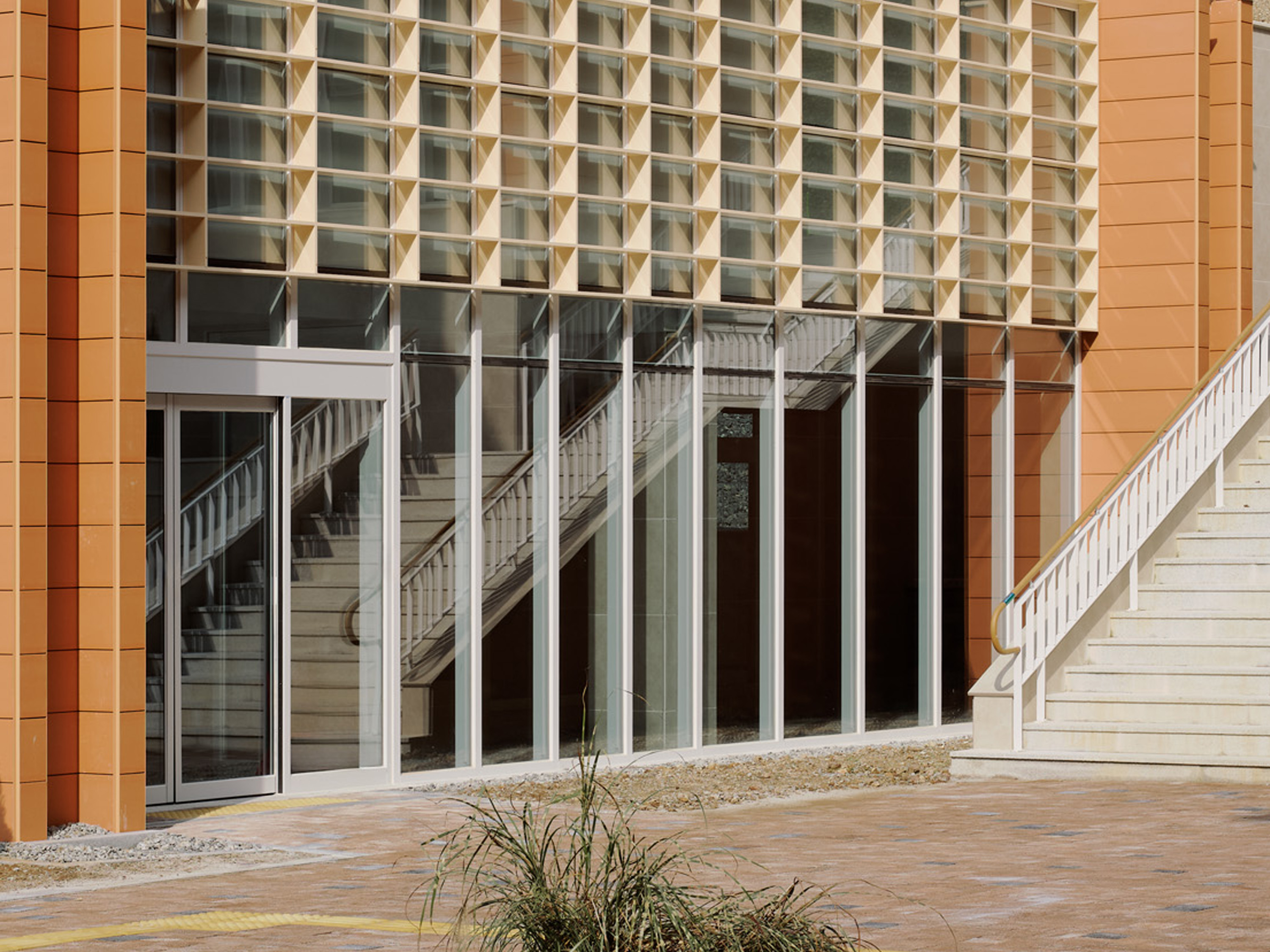
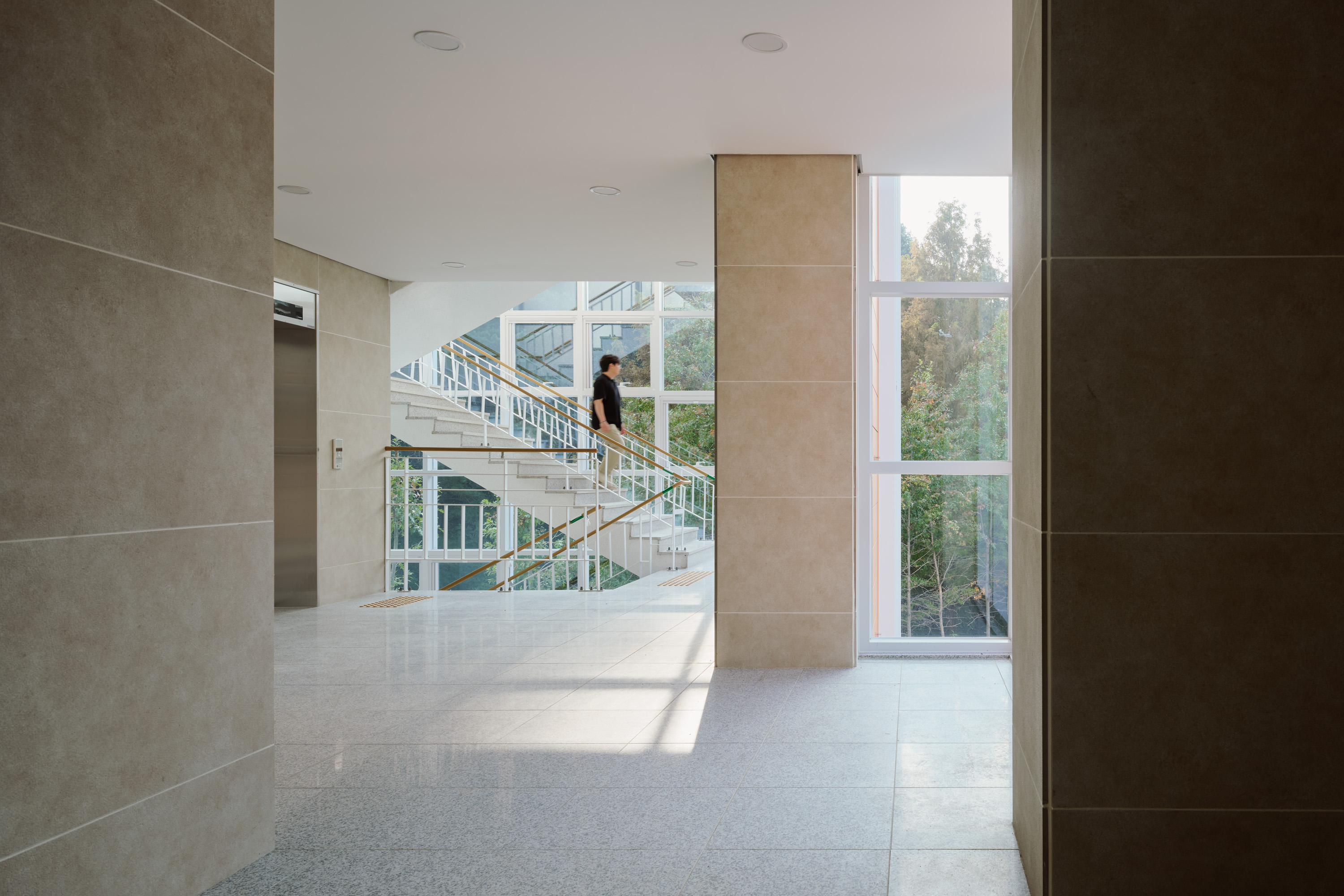
외벽은 테라코타 패널과 자연석재 패널로 마감되어,
주변의 흙빛과 녹음이 입면 위에 자연스럽게 이어집니다.
따뜻한 흙의 결과 석재의 미세한 결이 겹쳐지며,
빛의 방향과 시간에 따라, 표면은 자연을 따뜻하게 감싸 안으며 함께 변합니다.
붉은 지붕은 숲의 리듬 속에 잔잔히 머물고,
멀리서도 건축은 풍경의 한 장면처럼 읽힙니다.

이곳의 건축은 자연을 둘러싸지 않습니다.
그 안에 머물며, 함께 호흡합니다.
사람은 숲의 시간 속에서 머무르고,
숲은 건축의 틈새에 머물며 사람과 풍경을 잇습니다.

그렇게 건축은 자연이 머무는 자리,
그리고 사람과 풍경이 공존하는 공간이 됩니다.

Baekya National Forest Resort Hotel

Located along the forest slopes of Baekya in Eumseong, Chungcheongbuk-do,
this resort hotel sits gently within the National Forest, following the natural contours of the land.
The architecture avoids artificial leveling, instead turning the site’s gradient and level differences into an architectural order.

Aligned with the rhythm of the forest slope, each unit offers privacy while immersing guests in the surrounding nature.
Every building varies subtly in height and orientation—
a response not to function alone, but to the flow of the terrain and the movement of light.

Rather than imposing a single horizon, the design reads the slope as a spatial rhythm,
allowing each room to possess its own atmosphere shaped by sunlight, wind, and view.
What might seem a constraint of topography becomes here a medium that expands the language of architecture.

The façades are finished with terracotta and natural stone panels,
so that the earthy tones and forest hues flow seamlessly across the buildings’ surfaces.
The warm grain of clay and the fine texture of stone overlap,
and with the changing light and passing time, the surfaces gently hold and transform with the nature around them.
The red roofs rest quietly within the rhythm of the forest,
and from afar, the architecture becomes a natural extension of the landscape.

This place does not seek to enclose nature—
it dwells within it, breathing in unison.
People live within the time of the forest,
and the forest lingers within the spaces of the architecture,
weaving together human presence and the landscape.

Thus, architecture becomes a place where nature resides,
and a space where people and the landscape coexist.